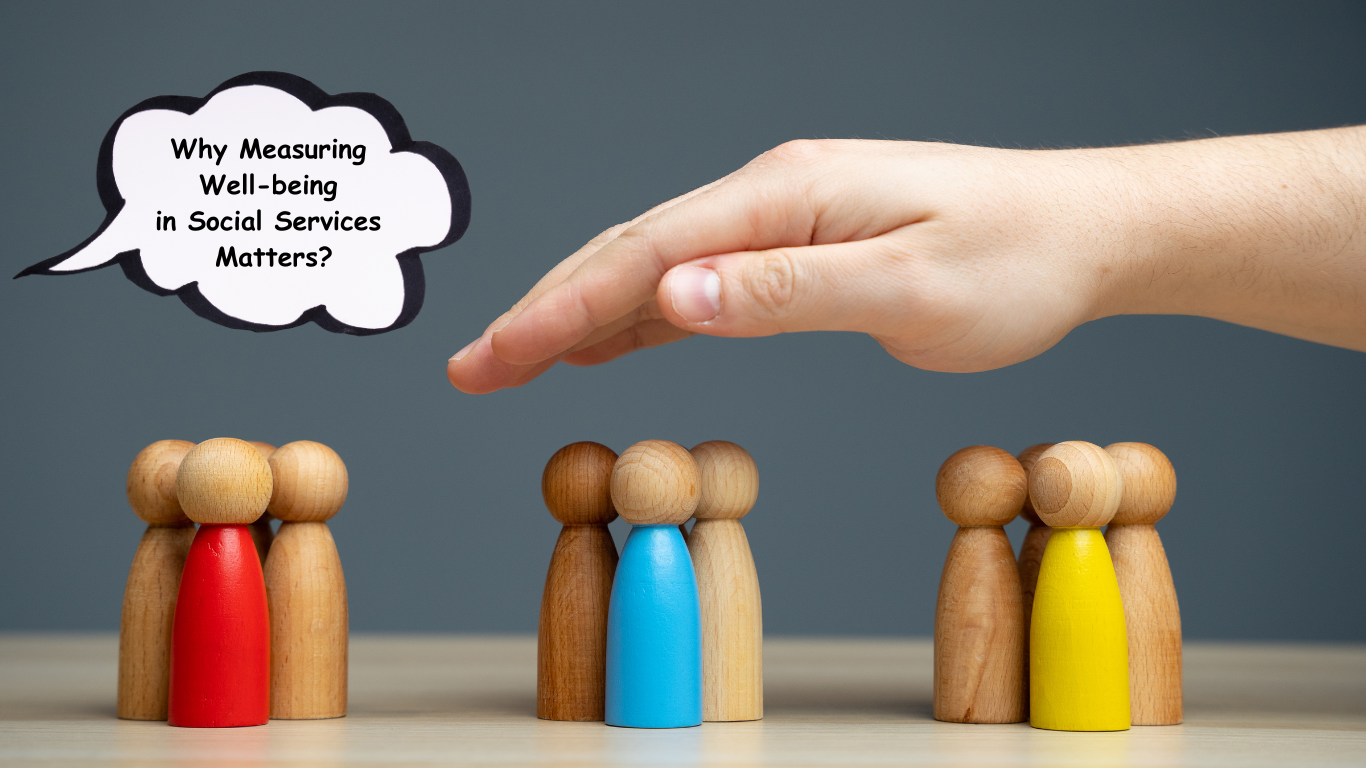
Why Measuring Well-being in Social Services Matters
For many years, success in social services has often been defined by numbers: how many people served, the financial cost, and overall economic efficiency. While these figures are helpful, they don’t always tell the full story. After all, social services exist to make people’s lives better—not just to save money or resources. That’s why there’s an exciting shift happening towards measuring well-being as a key indicator of success.
At the EVOSST project (Evaluation and Valorization of Social Services for a Sustainable Transition), we’re passionate about promoting a broader, more meaningful way of evaluating social services across Europe. But what exactly do we mean by measuring “well-being,” and why does it matter so much?
Why Economic Metrics Alone Aren’t Enough
Traditionally, social services have been judged by economic criteria such as budget efficiency or cost-benefit ratios. These are certainly important, but focusing solely on economic metrics misses something crucial—how the services actually affect people’s everyday lives.
For example, a service might look successful economically, yet fail to improve people’s happiness, mental health, or sense of community belonging. By broadening our perspective, we begin to ask better questions about what genuinely improves quality of life.
What Do We Mean by “Well-being”?
When we talk about well-being, we’re talking about more than just money or material goods. It’s about how individuals feel, how connected they are to their community, and their ability to live fulfilling lives. Key dimensions of well-being include:
- Mental and Emotional Health: Are people happier, less stressed, or experiencing improved mental health?
- Social Connection: Do individuals feel included, supported, and valued within their communities?
- Life Satisfaction: Are people generally satisfied with their lives and optimistic about the future?
- Environmental and Community Sustainability: Are our social services helping to build resilient communities that can thrive long-term?
By measuring these dimensions, we capture the true impact social services have on the people who use them.
Why a Well-being Focus Leads to Better Outcomes
When social services focus on well-being, everyone benefits:
1. We Understand People Better
Focusing on well-being allows service providers and policymakers to see what truly matters to communities. It provides a clear picture of people’s needs and priorities, helping to design services that actually improve lives.
2. Better Decision-Making
Armed with a deeper understanding of well-being, policymakers can make smarter choices. They can invest in services that create lasting positive change rather than just short-term financial gains.
3. Efficient Resource Use
When services focus on enhancing well-being, resources can be better targeted. Instead of spreading resources thinly across less impactful programs, we can prioritize interventions that genuinely enhance people’s lives.
4. Stronger Community Support
People support initiatives that clearly benefit them and their neighbors. When social services improve well-being, communities become advocates for these programs, fostering stronger social cohesion and engagement.
EVOSST’s Role in Promoting Well-being
The EVOSST project is proud to lead this important shift. We’re working with partners across Europe to create robust methods for measuring well-being effectively. Through dynamic impact assessments, engagement with stakeholders, and the innovative use of technologies like artificial intelligence (AI) and virtual reality (VR), EVOSST is helping to redefine how we evaluate success in social services.
We believe that by focusing on people’s genuine well-being, we can ensure social services make the meaningful difference they’re intended to achieve.
The Future is Well-being
Ultimately, measuring well-being isn’t just about adopting a new set of metrics—it’s about recognizing what truly matters in social services: people. By embracing a comprehensive view of success, social services can transform communities, fostering resilience, inclusion, and genuine happiness.
EVOSST is excited to be part of this journey, helping Europe redefine what effective social services look like—one life at a time.